

The Local’s Perspective
The Texas fly fishing scene is one of the most unique in the country. The sheer size of Texas means that it has one of the most diverse landscapes of all the southern and western states. Name another state you could be casting five weights to trophy rainbow and brown trout one day and being poled across a redfish flat the next! Fly fishing in Texas means enjoying a tapestry of species to explore and landscapes to discover. We want to share a little bit of the local’s perspective on the nuances of our home state to make your next adventure to the Lone Star state unforgettable.
Fly Fishing Texas
Like most places, when it comes to fly fishing Texas you’ll find cult-like followings for the different species we chase across the state. To an outsider, the geographic diversity and variety of fish can be overwhelming. Luckily, we take our Texan southern hospitality seriously. Each region has dedicated anglers who are happy to talk about what their rivers, lakes, or flats have to offer. All of them will try to convince you they have the best fly fishing in Texas!
Because there is such a diverse set of species to fish for in Texas, don’t feel bad if you get overwhelmed. During prime months, you could be chasing tarpon on jetties, jacks in the channels, tailing redfish, speckled trout with poppers. There are different types of bass and other warm water species that love to eat flies. Do some research for the area you want to fish and don’t feel shy about reaching out to the locals! The local scene will have a pulse on what water is fishing well and most likely point you in the right direction.
Understanding the Texas Fly Fishing Scene
Diversity of Texas Fly Fishing
Texas boasts a remarkable array of fly fishing opportunities, from its inland rivers and lakes to the expansive Gulf Coast. Each region offers its own distinct challenges and rewards, making Texas a versatile playground for fly anglers of all levels.
Anglers from around the world converge onto freshwater lakes for chances at record-setting largemouth bass or to explore lesser-known regions with rugged beauty. World class saltwater fishing exists along the entire length of the Texas coastline, from the Louisiana border to the border of Mexico
Best Fly Fishing Species in Texas
Bass
Bass are arguably the most widespread gamefish in all of Texas. The inhabit most waterbodies from rivers, streams, reservoirs, and lakes. Depending on the location, you will find Smallmouth and Largemouth Bass. Texas bass are known for one thing: getting huge. Large appetites and long growing seasons mean that there are many places to find bass big enough to make your knees shake, making them one of the staples of the Texas fly fishing scene.
Texas is also known for subspecies of bass native to certain regions, some of which are found in nowhere else in the world. Guadalupe bass inhabit parts of the Guadalupe River and although they don’t get as big as their large and small-mouthed cousins, they are aggressive and fun on light fly tackle.
Trout
During the winter months, certain stretches of river below dams have water cold enough to sustain a trout fishery – and impressive ones too. These could rival any trout stream in the Western states, with incredible hatches and chances at some surprisingly large fish.

Redfish
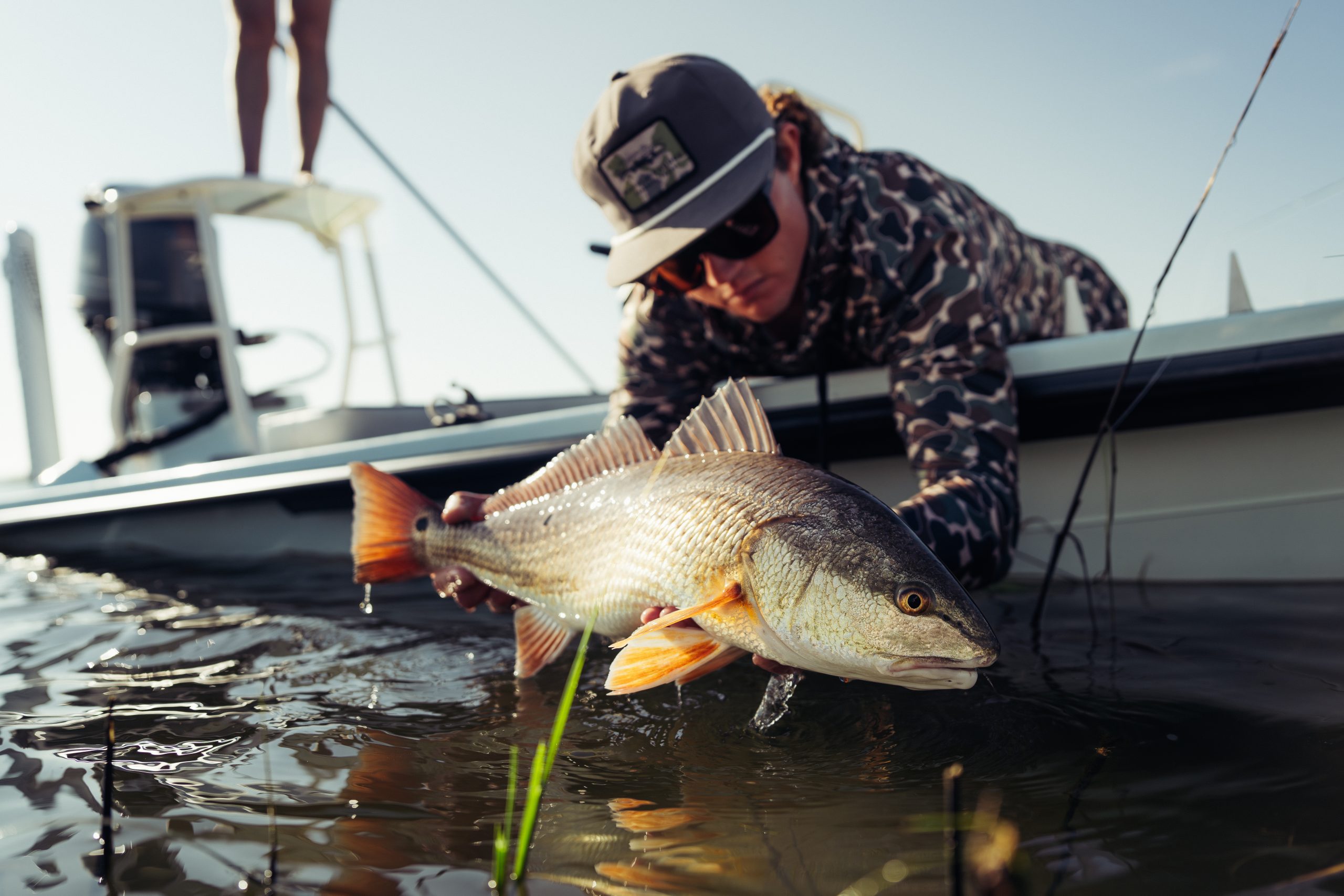
Redfish are the crown jewel of Texas fly fishing and can be found along the entire coast of Texas, from from one end to the other. The redfishing in Texas is unique and dynamic. Shallow water flats consisting of turtle grass or sand create some of the best redfish habitat along the Gulf of Mexico.
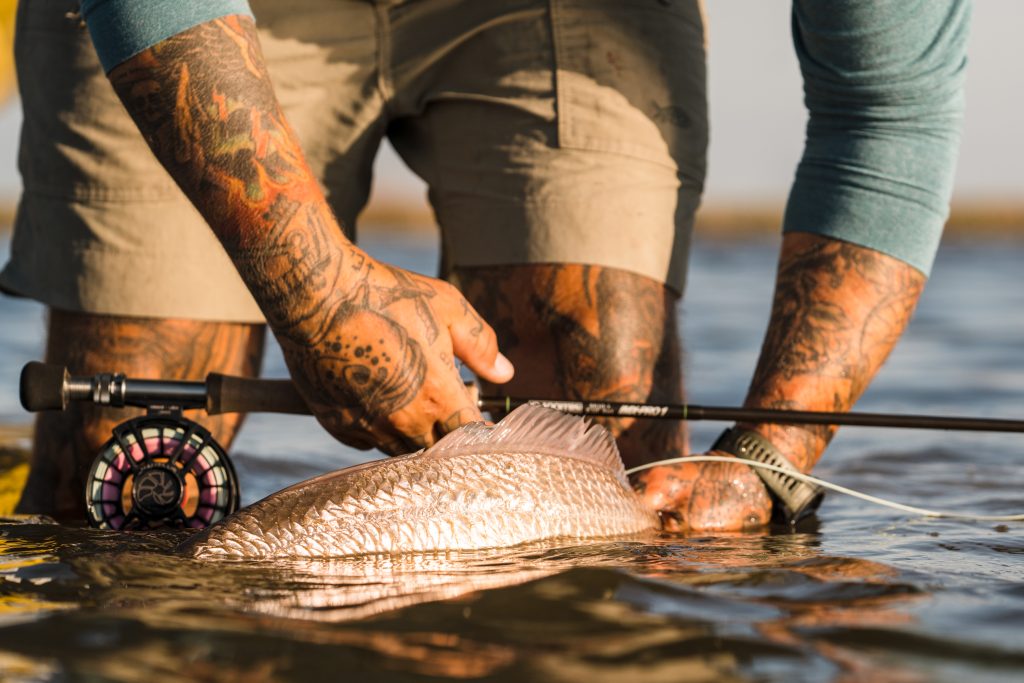
They are strong and powerful and when sight casted to, make one of the best fly fishing experiences Texas has to offer. They are extremely accessible to DIY anglers but finding a guide that can fit your exact needs will make your experience memorable.
Speckled Trout
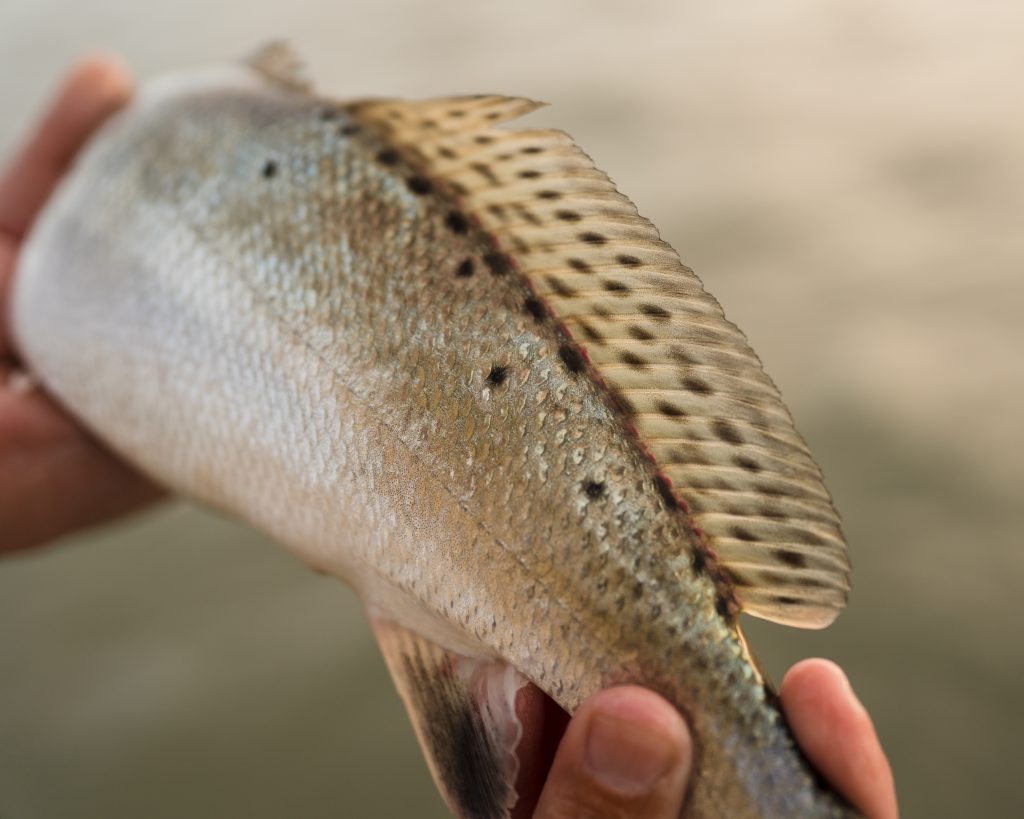
Speckled Trout are also found along the entire Gulf Coast of the U.S. but few states compare to the quality of speckled trout that inhabit Texas. They reach massive proportions in the shallow bays and flats of the Texas Coast. Speckled Trout are also well-known to eat surface flies. They are the perfect target in between shots at tailing redfish and offer stunning, visual eats when shown a well-presented fly.
Other Saltwater Species
The Gulf Coast of Texas also experiences seasonal migrations of some of the gulf’s most sought after gamefish. Alongside redfish and speckled trout, black drum and the ever-wary sheepshead can be found in huge numbers. Both require different approaches and presentations and can challenge any skilled caster and angler.
In summer months, adult tarpon move close to shore and can be seen rolling near main gulf breaks and jetties during their seasonal migrations. Schools of Jack Crevalle also patrol these waters and will do their best to try and break your fly tackle.
The best Texas fly fishing can be found along the coast with a highly diverse and thriving ecosystem. Many of the best places to access the coast are a short drive from many major cities and can create an exciting experience for any angler.
Best Times for Fly Fishing Texas
Spring
Springtime in Texas is a beautiful time of year to still enjoy cooler temperatures. All fisheries begin to experience increased fish activity as days begin to lengthen and water temps rise. Bass start feeding more heavily and begin to bed up for the spawn. This is a great time for early morning sessions on your favorite bass pond and chance to start throwing topwater bugs for patrolling largemouth and smallmouth.
Redfish begin to settle into more predictable patterns and can be found more consistently on the expansive flats of the inshore waters along the Texas coast. Warmer water triggers redfish and other flats species to begin to feed more heavily. They tend to spend more time in shallower water where they can be easily spotted and stalked with a fly rod.
Summer
Summer is go-time for all species and is when we experience the best Texas fly fishing. Lakes, rivers, flats fishing is firing on all cylinders. The hardest part is deciding where to go fish!
Redfish and speckled trout are hungry and happy. This is the time of year where they are the most spread out and can be found in every shallow water habitat along the coast. Plan on starting early to beat the heat. You can expect high sunny days, which can be great for spotting fish, but this also means challenging conditions to present a fly. Experiment with many different fly patterns to find the one that best suits the conditions.
Migrating tarpon and big schools of Jack Crevalle begin to show up in numbers in the gulf. Focus on jetties and channels where currents concentrate baitfish and be ready for anything! These fish come and go fast as they hunt for food but this can create some of the best fly fishing Texas has to offer.
Fall
Fall in Texas is fairly mild and you can expect fishing to continue to be excellent well past Thanksgiving. Days continue to remain fairly long giving us plenty of opportunities to pursue redfish and speckled trout in the salt.
River fishing for trout or bass can be incredible this time of year as fish prepare for winter. They tend to feed hard and on a wide variety of food sources. Not only are they hungry, but the bass and trout are bulked up after all summer of putting on weight.
Expect to experience the occasional storm this time of year but they are usually short-lived and bring a resurgence of life back into our fisheries.
Winter
Winters are extremely mild in Texas, making our fishing season 12 months long! Trout fishing can be excellent this time of year. Water temperatures are perfect for incredible bug activity that keep Texas trout feeding heavily.
Some Texas’s most famous bass fisheries are also highly productive during the winter months. We see some of our biggest bass caught in the winter as the big fish settle into predictable routines that make them accessible to fly fishing.
The occasional cold snap change redfish behavior on the coast, but they can still be found regularly. Look for deeper water or windswept shorelines that can concentrate food. Move often and once you begin to find fish, slow down and thoroughly search the area. Redfish tend to be concentrated this time of year. If you find one, you will likely find more!
Top Fly Fishing Destinations in Texas
Rivers
Texas rivers offer many different types species to target with a fly rod. Most rivers and streams hold fresh water species such as bass, panfish, carp, catfish and more. During the colder months are the best months to target cold water species like trout.
Some of the best rivers for Texas fly fishing are the Guadalupe River, renowned for its year-round trout fishery, the Brazos River, Colorado Colorado, and Llano Rivers. The Devil River offers one of the most remote warm water rives in the state and his home to unique species of cichlids found only in this remote corner of the state.
Flats
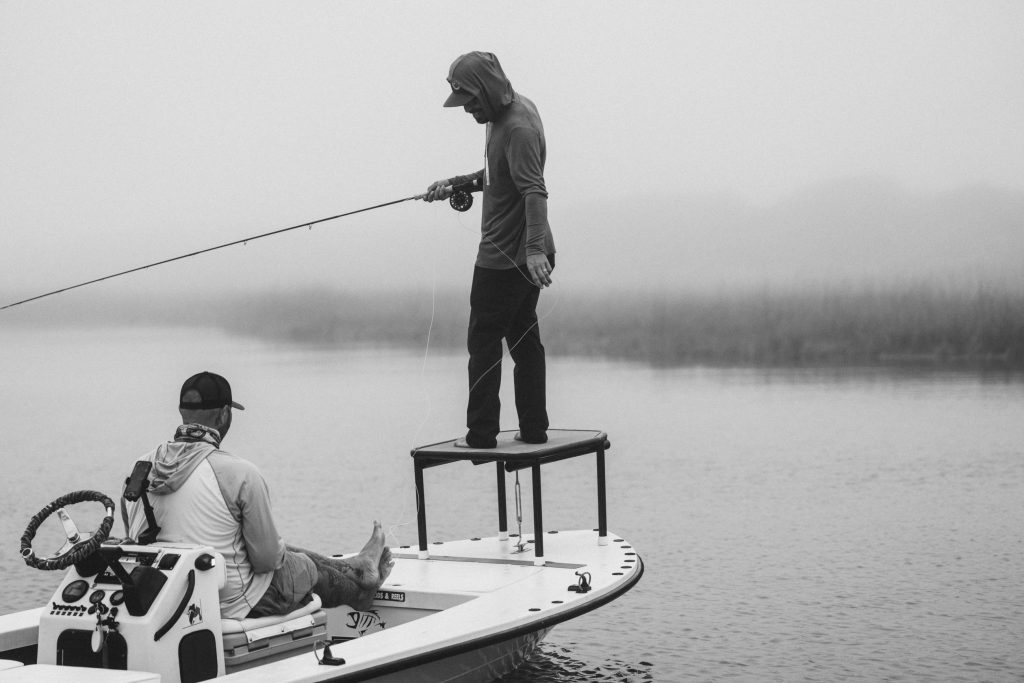
The Texas Gulf Coast boasts extensive shallow flats that attract fly anglers seeking redfish, speckled trout, and other saltwater species. Destinations like Matagorda Bay, San Antonio Bay, the Laguna Madre, and Galveston Bay are prime spots to chase Texas redfish. Each area consists of unique landscapes and require different approaches for success.
Gulf of Mexico
Offshore fly fishing opportunities abound in Texas, particularly around the Gulf Coast for species like tarpon, bull redfish, and Jack Crevalle. Offshore fisheries are known for incredible marlin fishing. Charters are widely available and highly recommended to maximize chances at finding blue water fish of a lifetime.
Local Fly Fishing Tips and Techniques
Insights from Local Fly Anglers
Local anglers offer invaluable tips on fly selection, presentation techniques, and seasonal strategies tailored to specific Texas waters. Their expertise can enhance your chances of success and increase your chances of enjoying a great day on the water.
Many areas have fly shops that specialize in their favorite waters and are the best source for local intel. They will have the best up to date information on where to fish and best tactic or patterns to be successful. Many fly shops also offer guide trips or information on who the best guides in the area. If fishing a location for the first time, it is always worth considering hiring a professional to help shorten the learning curve of learning a new piece of water.
If a fly shop is not available, look for tackle shops for local information. These places are always the best place to find what’s working on local lakes or rivers, even if the information doesn’t come directly from fly fisherman. Fish movements and habits are crucial to any fisherman’s success and any information you can gather will be extremely helpful.
Effective Fly Patterns for Different Texas Species
Certain fly patterns excel in Texas waters. From topwater poppers for bass to crab and shrimp imitations for redfish, matching the hatch and mimicking local forage is key. There are also many different types of flies that are meant to elicit predatory responses and often the best flies are those that can cross over into different types of fisheries.
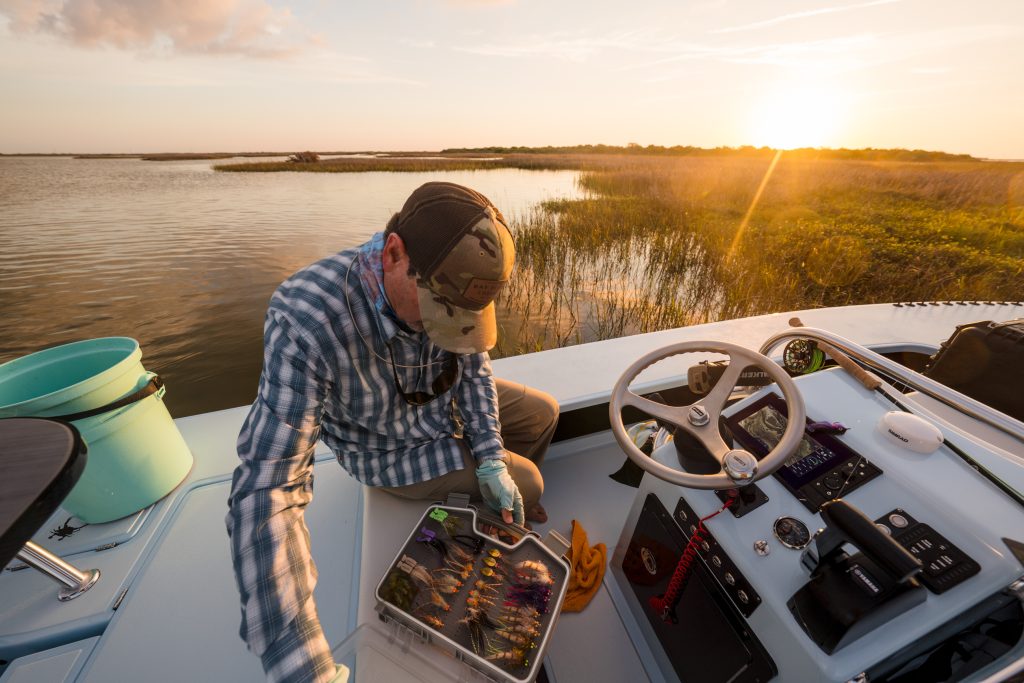
Baitfish patterns will catch bass and redfish anywhere they swim. Surface flies are extremely effective at attracting bass, but will also work well on the flats while chasing redfish or speckled trout. Clouser Minnows, Deceivers, and Seaducers are perfect all around patterns that are great for searching new water for aggressive fish, both in the salt or your favorite bass pond.
Fly Fishing Gear for Texas Waters
Recommended Fly Rods and Reels for Texas
Versatile fly rods in the 5-8 weight range are ideal for Texas fisheries, offering the backbone to handle everything from delicate presentations on spring creeks to battling saltwater bruisers in coastal flats.
Windy conditions or heavy flies require a larger rod to effectively deliver a fly. The last thing you want to do is show up undergunned when chasing strong fish so its always a good idea to plan for using larger rods to increase accuracy and casting distance.
Clothing and Accessories for a Day on the Water
Sun protection, breathable fabrics, and sturdy footwear are essential for staying comfortable during long days on the water. Layering for variable weather conditions ensures you’re prepared for anything Texas skies might deliver.
No matter where you go in Texas, expect to be fishing in the sun. Wide-brimmed hats and good quality sunglasses are a must during warmer months.
Connecting with Local Fly Fishing Communities
Importance of Networking with Local Anglers
Joining fly fishing clubs, attending events, and participating in online forums foster connections with like-minded anglers. Get-togethers are a great place to learn more about a fishery. People at gatherings often share tips, stories, and their passion for Texas fly fishing.
Utilizing Online Forums and Social Media Groups
The Texas fly fishing world has created a tight-knit community over social media. Their are also local fishing forums provide up-to-date information on fishing reports, fly patterns, and conservation efforts. These can greatly enhancing your overall angling experience.
HERE is a link to the Texas Fly Fishers of Houston. Groups like these create great opportunities to meet fishy friends to share in our love for Texas fly fishing.
Fly Fishing Regulations and Conservation Practices
Understanding Fishing Regulations in Texas
Always check the Texas Parks and Wildlife Department (TPWD) regulations. They specify catch limits, size restrictions, and designated fishing zones to ensure sustainable fisheries management and protect native species.
Check out their website HERE.
Ethical Fly Fishing Practices for Conservation
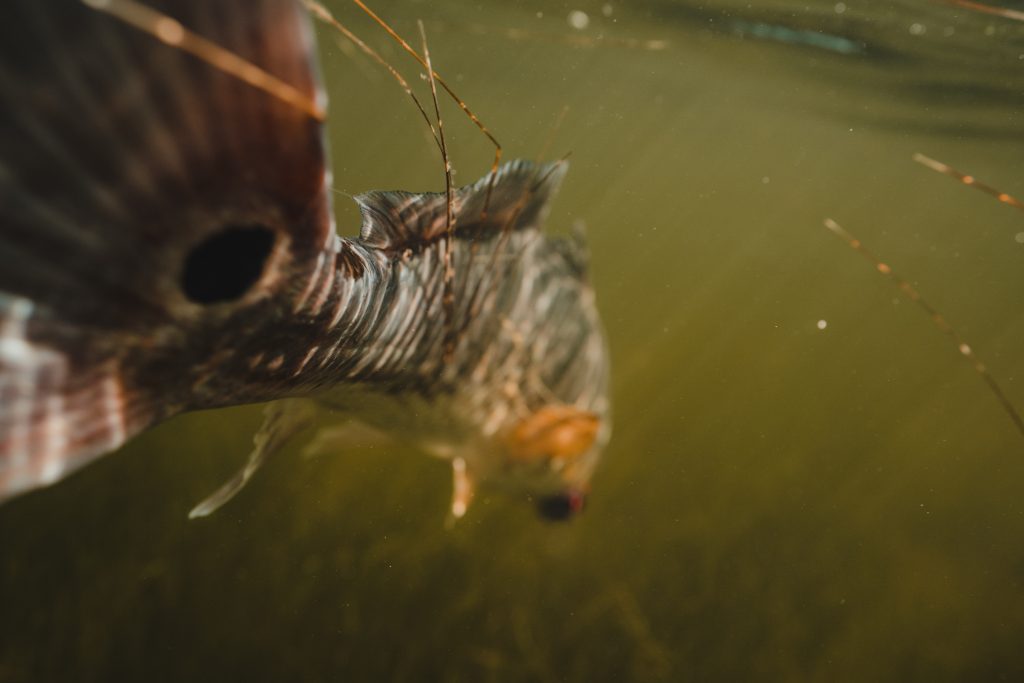
Practicing catch-and-release, using barbless hooks, and respecting wildlife habitats are essential for preserving Texas’ diverse ecosystems. This ensures healthy fisheries into the future by following a few simple rules. Fighting fish quickly helps reduce stress after release and results in better survival rates. Minimal handling while keeping the fish underwater shortens their recovery time.
Fishing barbless hooks prevents damage to their mouths and increases your chances of catching that fish again in the future. Your guide or friend will also thank you for fishing barbless if they find themselves caught in a back cast! Keeping fish pinned during a fight with barbless hooks is easy with the right amount of rod pressure. Contrary to what some believe, barbless hooks do not result in lost fish. In fact, many guides will tell you that your hook penetrates better in the case of a bad hook set. It might even result in better hook ups without a barb.
Supporting Local Conservation Initiatives
Contributing to conservation organizations and participating in clean-up efforts help ensure the health of local lakes, streams, and flats. It shows commitment to preserving Texas’ natural beauty. This helps ensure that fish populations remain healthy for years to come.
Not only that but it is also a great way to meet other anglers. Participating in clean up initiatives and other conservation efforts puts you in touch with others who care about their fisheries. This is a great way to appreciate and learn about a new area or type of fish you are interested in.
Conclusion
Fly fishing in Texas is more than a recreational pursuit. It’s a journey through diverse landscapes, rich traditions, and memorable encounters with nature. Understanding seasonal dynamics to connecting with community networks, anglers can deepen their appreciation for Texas’ vibrant fly fishing scene. Whether you’re casting for bass on the Guadalupe River or sight-fishing for redfish on the coast, Texas offers endless opportunities to explore and savor the art of fly fishing. So, grab your gear, heed local advice, and embark on your own Texas fly fishing adventure today.
