


Texas is rich in duck hunting culture. Resting at the south end of the Central Flyway, birds inevitably make their way to Texas. With habitats ranging from dry fields to flooded rice farms and coastal salt marshes, there is no shortage of habitat and hunting options. These varied habitats attract a rich diversity of duck species. From divers to puddle ducks, hunters on the quest for the 41 species of huntable waterfowl should have Texas on their list.
Whether bird watching or waterfowl hunting, identifying the difference between species is critical to success. This complete guide to Texas waterfowl hunting covers Texas duck species, popular areas, and the tips and tricks for keeping birds’ feet down in the decoys.
Overview of Common Duck Species in Texas:

Abundant waterfowl habitats attract an incredible diversity of duck species to Texas. This includes divers and puddle ducks found throughout the state. Diving ducks stay true to their name and prefer deeper water where they dive for food. Puddle ducks prefer shallow water where they can easily feed as they don’t dive below the water’s surface.
Across the vast landscape, habitats like coastal marshes, bottomland forests, flooded farm fields, and more hold ducks. This diversity gives hunters plenty of unique options depending on what they are targeting.
Duck Identification Guide for Texas Birdwatchers
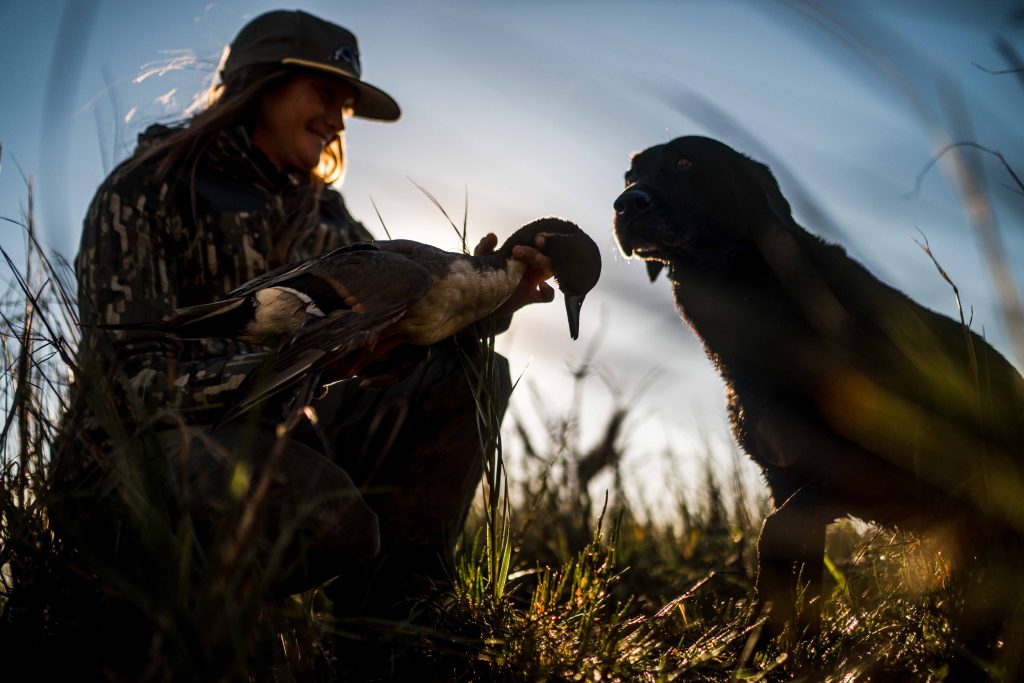
It’s important to identify the birds correctly on the wing. For waterfowlers, this ensures you are within your legal limit, and for birders, it ensures you identify the proper species. Identifying different duck species can be tricky, but a few distinguishing characteristics can help you narrow down what you are looking at.
The first is size. Ducks fall into three size categories: small (teal), medium (wigeon, gadwall, etc.), and large or big ducks (mallards, pintails, etc.) You can narrow down species to a few potential suspects by body size alone. The next feature to look for is coloration. Ducks display vibrant plumage in the fall as they migrate. These distinct colorations can be as small as a white patch on the wing or as noticeable as a dark green head. The last thing to look for or, in this case, listen for is sound. Duck species have their own distinct call. Even when a duck may not be in full plumage, listening for their calls can be a dead giveaway.
Learning the characteristics and behaviors of different ducks can help you narrow down what duck you are looking at. Below are the common Texas duck species and their identifying characteristics.
Northern Pintail
The northern pintail is a common Texas duck species. They are found throughout the state and can be hunted in various habitats. Drake pintails are identified by their long neck, brown head, blue bill, white breast, and grayish body. Mature birds also have a distinguishable sprig or elongated tail feathers. Hen pintails are identifiable by their long necks, blue bills, and brown coloration.
Mallard
Mallards are one of the most abundant duck species throughout the United States. The “greenhead” gets its name from the noticeable green head leading to a brown chest. In addition drake mallards have a bright yellow bill, orange feet, and blue speculum with white borders. Hen mallards are brown with a muted brown bill and orange feet. They also possess the same colored speculum as drakes.
Wigeon
Wigeon are medium-sized ducks with a distinct white stripe on their heads, earning them the name “cotton tops.” In addition, a distinct green patch behind their eye, a brownish-colored body, a white rump, and black tail feathers are used to identify them. The hen wigeon is a brown duck with small white patches on the speculum.
Gadwall
Gadwalls or gray ducks live up to their name. Drake gadwalls are medium-sized ducks and grayish in color with a distinct white speculum. Female gadwalls are similar in appearance but more brown and have a slightly smaller white speculum.
Blue Wing Teal
Blue Wing Teal are the first birds to migrate to Texas. They are small ducks with brown bodies and a blue speculum on their wing. Drakes display a gray head with a distinct crescent moon white strip along the rear of its bill.
Green Wing Teal
Green wing teal are a small duck species. Males are grayish with a distinct white stripe along their body. In addition, they possess a chestnut-colored head with a distinct green patch behind their eye. Both males and females have a green speculum that can be used to identify them.
Mottled Duck
Mottled ducks are one of the few resident duck species found in Texas. They are large and similar to hen mallards in appearance. The main difference is that mottled ducks are darker and have no white lining their blue speculum. Males are distinguished from females by their bright yellow bills.
Northern Shoveler
Northern shovelers or spoonbills get their name from the distinct spoon-like bill shape. Drake shovelers are vibrant in coloration with a dark green head, white body, and blue and green wings. Hen shovelers are brown, with their spoon-shaped bill being the most identifiable characteristic.
Wood Duck
Wood ducks are part of the tree duck family, nesting in trees. They are found throughout northern parts of Texas in bottomland forests. Identifying characteristics include a green crested head, red eyes, reddish bill, chestnut colored chest, and other vibrant colors. Females are much more muted in color but still display the same crested head.
Black-Bellied Whistling Duck
Black-bellied whistling ducks are a tree duck non-native to the United States. However, they are quickly becoming established among Texas duck species. These vocal birds display a bright orange beak, orange feet, a long neck, and an overall brownish color. The distinguishing characteristics are their exceptionally long feet and distinct whistling or peeping sound. Males and females look the same.
Fulvous Whistling Duck
Fulvous whistling ducks are another non-native Texas duck species. These birds are much more muted than black-bellies, displaying an overall light brown coloration. Adults have distinct blue bills and long blue legs. Female fulvous whistling ducks resemble the males.
Redhead
Redhead ducks are some of the most popular Texas duck species for hunters in the southern coastal areas. As their name suggests, they have distinct red heads followed by gray bodies and black chests. Females are much harder to identify and are overall brown in color, with a small black patch at the tip of a blue-colored bill.
Scaup
Scaup are a medium-sized diving duck that features a dark head, white body, and dark rump. They have yellow eyes and are typically found in groups with other scaup. Females are more brownish in color, with a yellow eye and white patch behind their bill.
Ring-Necked Duck
Ring-necked ducks are another medium-sized diving duck. Males have a dark black head and a grayish-white body. Like scaup, ring-necked ducks have yellow eyes, but the distinguishing characteristic is a ring around their bill. Females are brown ducks with the same ring around their bill.
Bufflehead
Bufflehead are a small duck displaying some of the most vibrant colors amongst ducks. Their head is a mix of iridescent greens and purples with a large white patch behind their eye. The body is primarily white, with bits of black along its wings. Hens are brown with a smaller white patch behind their eye.
Canvasback
The Canvasback has earned the nickname “King of Ducks” and is one of the most sought-after Texas duck species. They are a large-bodied duck with a reddish head, black chest, and white body. They have a large, distinct bill that distinguishes them from other ducks. Females are brown in color and have the same distinct bill shape.
Migration Patterns of Texas Duck Species
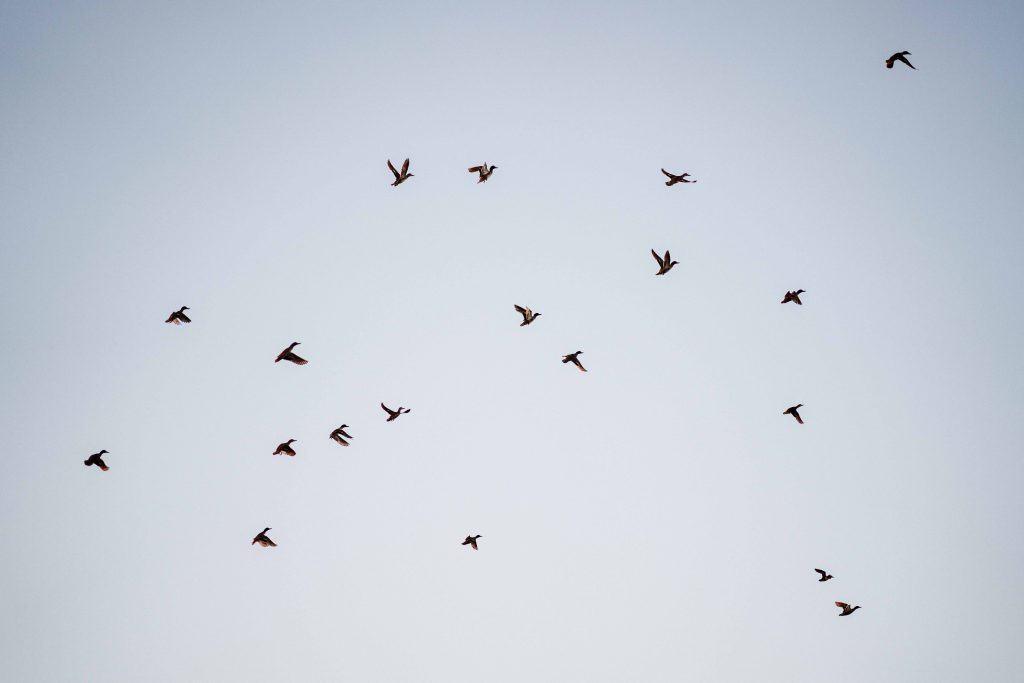
The Texas duck migration sits at the bottom of the central flyway. With that comes various birds searching for mild weather and a respite from cold northern states. The diversity of duck habitat spreads the migrators throughout the state.
The biggest factors drawing ducks to Texas are weather and water. These two factors are connected because cold northern weather freezes up water ducks use for food. The birds follow as the frost line progresses south until they reach Texas. Once they reach the Lone Star State, birds spread across marshes, rice farms, and cut crop fields. They use these habitats for their abundant food sources. In Texas, water determines where ducks migrate. During dry years, birds will continue south to the coast. For more information on the Texas duck migration, check out our article HERE.
Habitats and Ecosystems Supporting Texas Duck Species
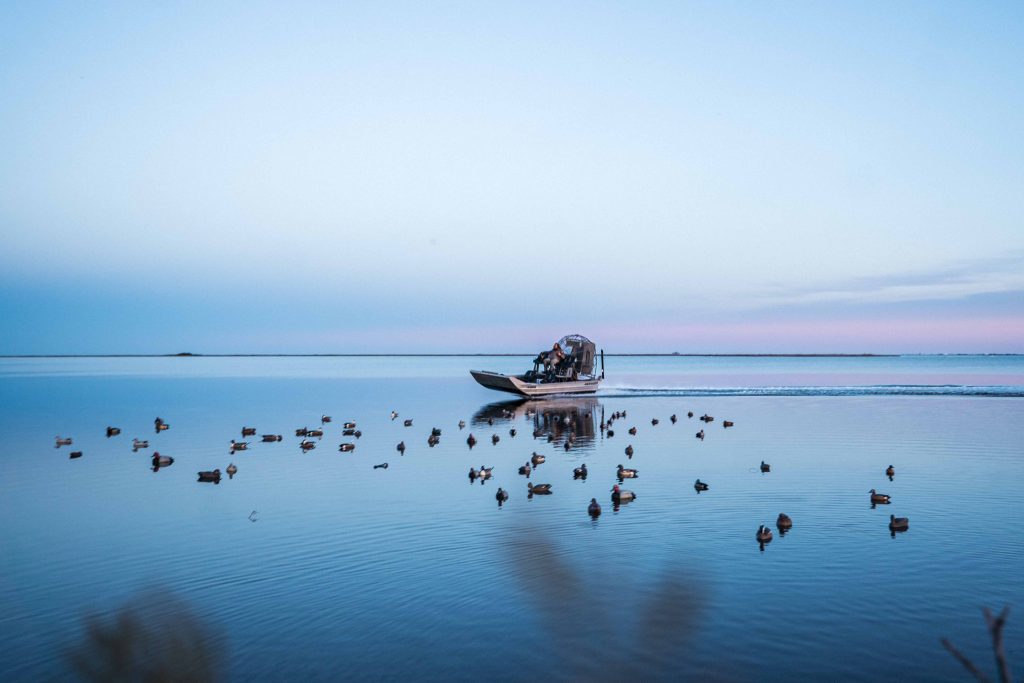
It’s no secret that Texas is big, and with that comes many potential duck habitats. Everything from lakes, rivers, wetlands, flooded fields, and coastal areas will hold ducks. Understanding how ducks use these different habitats will help narrow down what areas to target.
Large bodies of water, like coastal areas and lakes, are frequented by diving ducks. In these deeper water areas, divers do what their name implies and dive down to forage for food. Layout boats and long lines with decoys are used to consistently target diving ducks. These spreads represent natural diver rafts ducks expect to see on the water.
Puddle ducks prefer shallow water areas where they can find ample food. This includes sheet water on farm fields, marshes, and sections of the rivers. Here, puddle ducks can feed throughout winter. Setups in these habitats require some form of blind or hide and a decoy spread to attract birds.
Duck Hunting in Texas: Regulations and Opportunities
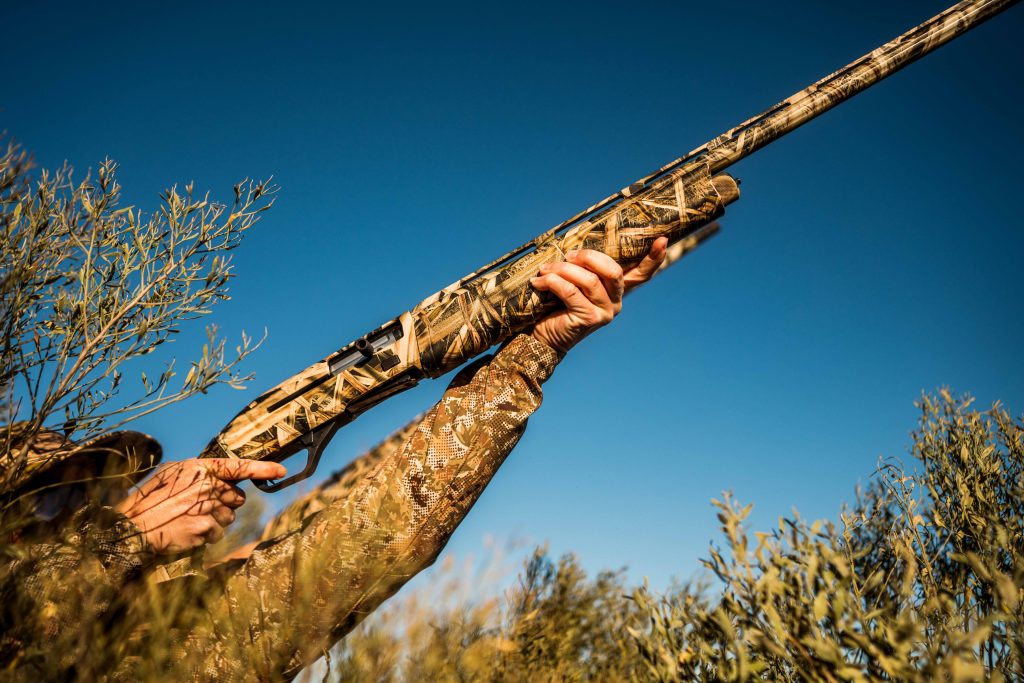
Texas duck season is broken down into three zones–the high plains mallard zone, the north zone, and the south zone. These zones are divided into two seasons each, early and late. The mallard zone is open from October 26-27 and from November 1-January 26. The north zone is open November 9-December 1, and December 14-January 26. The south zone is open November 2-December 1, and December 14-January 26. In addition to the main seasons, all of Texas has an early teal season from September 14 through September 29.
Of these zones, the north zone and mallard zone offer hunters the best opportunities to harvest mallards and wood ducks. Vast marshes and flooded timber provide rich habitats for these species throughout winter. In addition, flooded farmland and rice fields attract thousands of ducks. Here, hunters can expect fast-paced shooting and large flocks of birds.
The south zone is home to the Texas coast. Here, redheads and pintails flock in search of open water and the vast vegetation found in the marsh. Wigeon grass is the preferred food source for waterfowl in these areas. With vast marshes, scouting pays dividends to find and set up on birds consistently.
Duck hunters should always know what they are shooting at before pulling the trigger. This may seem common sense, but in the heat of the moment, it’s easy to forget. Focus on identifying your target birds on the wing to fill your limit. Remember always to pick up your empty shells when it’s time to pack.
Photographing Texas Duck Species: Tips for Bird Photographers

A fun way of interacting with waterfowl and ducks is through photography. With the right equipment and techniques, birders and hunters can capture crisp images of the waterfowl species they are looking for.
The first step to mastering waterfowl waterfowl photography is building a hide. Like hunters, creating a blind gives you the cover needed to hide from ducks. But building a blind near ducks is critical. Look for areas with vegetation ducks use for food and set up near them with good cover.
The best time to capture photos of various Texas duck species is the late season, usually December. This is when the migration starts to pick up. Birds will also be plummed out, displaying vibrant colors. Wildlife refuges, like Aransas National Wildlife Refuge, are good places to start looking. These areas are protected from hunting and are sanctuaries for a number of waterfowl species.
The right equipment is crucial to capturing high-quality images of ducks. A good camera body like the Sony A7s III is an excellent choice for both photo and video capabilities. However, the most important part is lens choice. A telephoto lens with image stabilization will produce the best shots, especially when ducks are not very close. Pair this lens with a high shutter speed to capture crisp images of different duck species on the wing.
Conservation Challenges and Initiatives for Texas Duck Species:

Texas waterfowl hunting faces several conservation challenges. The main two are the urbanization of wetland habitats and the lack of water. With a growing population, land development in wetlands leaves birds with less habitat. To counter this, efforts to preserve wetland habitats are the best bet for halting development.
Yet, the biggest threat to ducks is the amount of water in crucial habitats. Texas is dealing with a “water war.” Countless interest groups are battling for water rights in this arid state. The result is a lack of water influxes for marshes, drying wetlands, and habitat loss for waterfowl.
Throughout Texas, valuable conservation groups like Ducks Unlimited and Delta Waterfowl have improved the duck habitat through restoration projects. Getting involved with these organizations is a great way to promote wetland conservation and aid their efforts. Other smaller organizations, like Guadalupe Riverkeeper, specialize in local issues like water conservation, ensuring wetland habitats have the water they need for ducks.
To Conclude
The Lone Star State has a lot to offer waterfowler hunters and birders. Strategically located at the southern tip of the Central Flyway and with abundant habitats, it’s no secret various Texas duck species call this home.
These species include everything from divers to puddle ducks. Texas is a great place to hunt if you’re looking for a state with a lot to offer. With continued support from waterfowlers and conservation groups, Texas duck numbers have a promising future.
Bay Flats Lodge offers various hunting trips, you can find more about our guided trips HERE.